
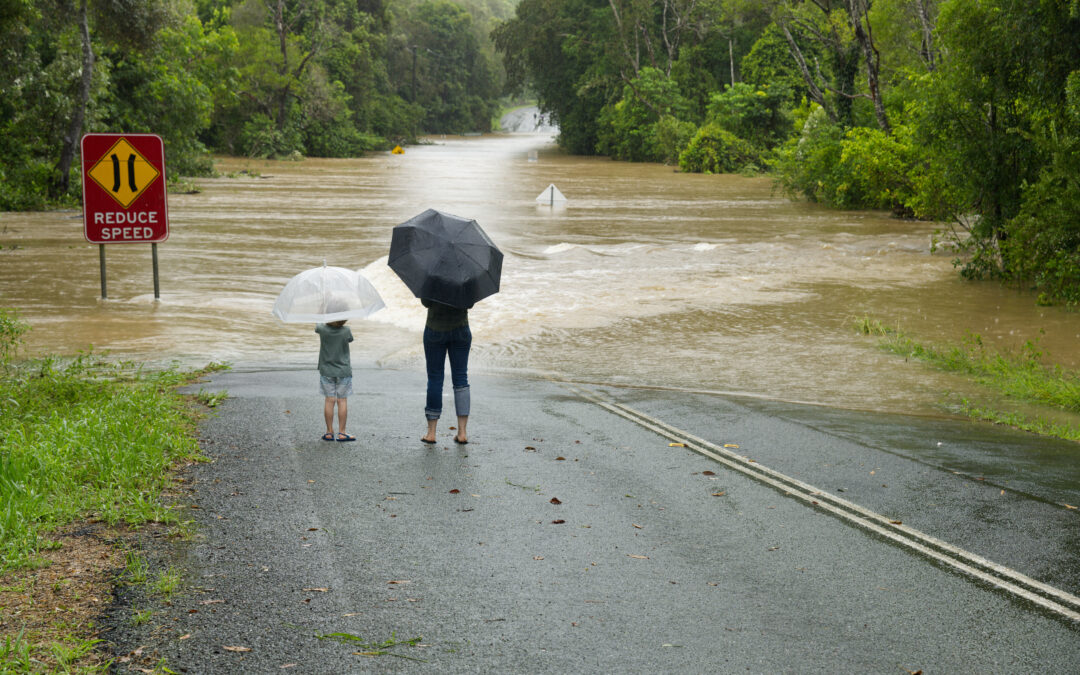
LPG cylinders are designed to be safe, even in Queensland’s harsh climate, but understanding how to manage them during bushfires, storms, and floods is especially important for homes and businesses across the Sunshine Coast and Gympie regions.
Actions During Extreme Weather
If a fire, storm, or flood is approaching, follow these safety steps only if it is safe to do so:
- Turn off all cylinders at the hand valve (on top of the cylinder, turn clockwise). This helps prevent gas from escaping and stops water from entering the cylinder.
- Leave cylinders connected to your gas system. The copper pipework is strong and can withstand heat or movement.
- Keep cylinders upright — this ensures the safety relief valve (SRV) works correctly. The SRV operates independently of the hand valve, meaning it will still function even when the cylinder is turned off.
- Keep cylinders secure — most modern installations include restraints. If yours doesn’t, consider fitting a chain or other restraint to keep cylinders steady.
- Clear the area around cylinders of leaves, wood, or other combustible materials.
- Do not cover cylinders with wet cloths or other materials, as they can dry and become combustible.
- If cylinders are exposed to heat, and it is safe, gently spray them with water to help keep them cool.
Remember: Your personal safety comes first. If conditions are dangerous, move away and follow the directions of emergency services.
Actions Following Fire or Floods
After a fire or flood, take the following steps to ensure your LPG cylinders are safe:
- Check for damage to the cylinder, valve, and pipework.
- Do not use cylinders that have been affected by fire, submerged in floodwater, or show any signs of damage. Report these to us — they must be returned to Hotgas for inspection and retesting.
- Do not attempt repairs yourself — only trained professionals should handle damaged cylinders.
- Ensure the area around cylinders is clear and safe before reconnecting.
Following these steps helps prevent accidents and ensures your LPG system is safe to use again.
Conclusion
LPG cylinders are robust and designed to handle extreme conditions, but proper storage, handling, and preparation are essential to keep your home and family safe. By following these steps during and after fires, storms, or floods, you can help prevent accidents and ensure your LPG system continues to operate safely.
If you have any concerns about your cylinders, notice damage, or are unsure about their condition after a weather event, please contact Hotgas. Our team can inspect, retest, and advise on the safest course of action.
Learn more about how LPG cylinders manage heat and pressure in our guide: Understanding Your LPG Cylinder.
Frequently Asked Questions
Q: Should I turn off my LPG cylinders during a bushfire or flood?
Yes. If it is safe to do so, turn off the hand valve on each cylinder. This helps prevent gas release and reduces the chance of water entering the system.
Q: Can LPG cylinders be damaged by floodwater?
Yes. Cylinders that have been submerged in floodwater should not be used. They must be returned to your LPG supplier for inspection and retesting.
Q: Is it safe to hose LPG cylinders during extreme heat?
If a cylinder is exposed to heat and it is safe to do so, gently spraying it with water can help reduce internal pressure. Never put yourself at risk.
Q: Do LPG cylinders need to stay upright during extreme weather?
Yes. Cylinders must remain upright so the Safety Relief Valve (SRV) can operate correctly, even if the cylinder is turned off.
Recent Comments